
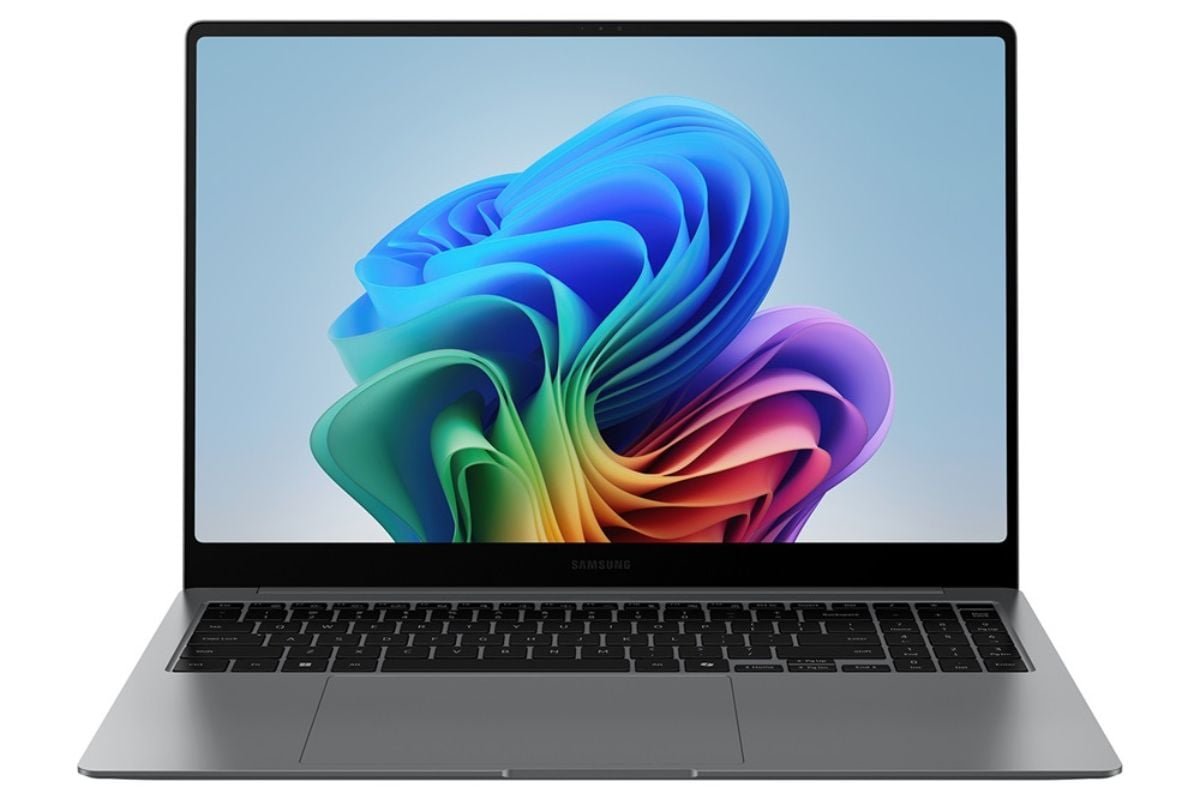
Samsung is reportedly working on a new generation of Galaxy Book laptops that ditch the familiar Windows environment.
According to a report by SamMobile, the company is developing Galaxy Book devices powered by Android 17, wrapped in its own One UI 9 interface, the same interface used by its smartphones, tablets and wearables. It’s a move that, if it happens, will mark the first time Samsung has brought its smartphone-style software experience to full-fledged laptops.
The operating system at the center of it all is Google’s upcoming “Aluminum OS,” an Android-based platform that Google is building as a more capable successor to ChromeOS. According to SamMobile, Samsung is “likely to switch to Google’s upcoming version of ChromeOS, codenamed Aluminum OS, which is based on Android.”
Aluminum OS is expected to bring stronger AI features and better performance compared to the traditional ChromeOS, and Samsung appears to be one of the first major partners to prepare hardware for it. This would represent a natural transition from Samsung’s existing line of Chromebooks to a more advanced Android laptop.
Samsung is reportedly planning a whole range of these Android laptops. This includes base, mid-range and flagship models. SamMobile notes that the flagship version is expected to have a “very sleek” design. The premium model is expected to focus on portability and aesthetics, though competition from devices like Apple’s MacBook Neo may influence final design decisions.
Why Samsung might want Android on laptops
For Samsung, an Android-based Galaxy Book could make its hardware ecosystem more unified. The company already uses One UI on phones, tablets, watches and TVs, so bringing the same interface to laptops would give users a more familiar experience across devices.
It could also help Samsung better lean on features like Galaxy AI, cross-device file sharing, app continuity, and DeX-style productivity. Instead of treating laptops as a separate Windows category, Samsung could position them as another screen within the Galaxy ecosystem.
The trade-off is that Android laptops would have to prove they can handle everyday productivity tasks well enough to compete with Windows PCs, Chromebooks, and MacBooks. App compatibility, multitasking, keyboard and trackpad support, and business management tools could determine whether these devices feel like true laptop alternatives or just larger Android tablets with keyboards.
Galaxy AI and a smarter DeX experience
Samsung is also expected to bring its expanding AI ecosystem to these laptops. Features under its Galaxy AI umbrella, already seen on phones and tablets, could play a central role. An upgraded version of Samsung DeX is also said to be in development. The productivity tool, which lets you work from mobile devices like a desktop computer, is expected to be more tightly integrated between laptops, phones and tablets.
What’s happening at TechRepublic
The timing of the launch is still unclear
There is no confirmed release date yet. However, reports point to Google I/O 2026 as a likely place where Google could officially introduce Aluminum OS. If that happens, Samsung’s Android-based Galaxy Book series could follow later this year.
For now, Android Galaxy Books remain unconfirmed. But if Google unveils Aluminum OS at I/O 2026, Samsung could become one of the first big tests of whether Android can finally grow into a full-fledged laptop platform.
Learn more about Samsung’s evolving software strategy, including its the latest One UI 8.5 update and reported battery issues, read our full coverage here.